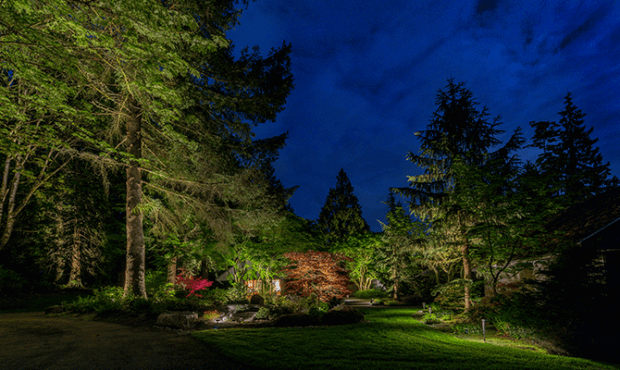

Design Strategies for High-Performance Outdoor Lighting
How thoughtful design, quality fixtures, and energy efficiency deliver beautiful nighttime illumination
Outdoor lighting is one of the most transformative investments a homeowner can make, but achieving truly exceptional results requires more than placing a few fixtures in the ground. Maximizing outdoor lighting performance means designing with intention, selecting high-quality components, and ensuring the system operates with long-term energy efficiency and reliability.
At Northwest Outdoor Lighting, we design every system with performance at the forefront—balancing aesthetics, safety, environmental responsibility, and longevity. Whether you’re upgrading an outdated halogen system or building a full LED landscape design from scratch, this guide will help you understand what creates a high-performing outdoor lighting system and how to keep it operating beautifully for years.

Why Outdoor Lighting Performance Matters
A well-designed lighting system delivers benefits that go far beyond aesthetics:
-
Safety: Clear visibility along pathways, steps, driveways, and entrances reduces risk.
-
Security: Strategic lighting discourages unwanted activity and highlights key approach points.
-
Energy efficiency: Modern LED systems use up to 80% less energy than older halogen technologies.
-
Longevity: Quality fixtures withstand PNW weather and continue performing year after year.
-
Beauty: Layered, thoughtful illumination brings out the best of your landscape at night.
When performance is optimized, the lighting looks natural, functions seamlessly, and subtly enhances the beauty of the property without creating glare or light pollution.
Key Components of a High-Performing Lighting System
1. High-Quality LED Fixtures
Modern outdoor lighting relies on advanced LED technology that provides:
-
Long lifespan
-
Minimal energy consumption
-
Consistent warm color temperature
-
Reduced maintenance
NWOL uses integrated LED fixtures designed specifically for durability and performance in the Pacific Northwest’s wet climate.
2. Proper Beam Spread & Fixture Placement
The best outdoor lighting isn’t the brightest—it’s the best targeted.
Performance improves dramatically when beam angles, lumen outputs, and fixture spacing are optimized for:
-
Tree canopies
-
Architectural elements
-
Pathways
-
Patios and outdoor rooms
-
Driveway curves and slopes
Poor placement leads to hot spots, shadows, or wasted light. Precision is key.
3. Voltage Stability & Correct Wire Runs
This is one of the most overlooked elements of lighting performance.
A system with inconsistent voltage will show:
-
Uneven brightness
-
Shortened LED lifespan
-
Flickering
-
Premature failure
Professionally designed systems calculate distance, load, voltage drop, and transformer sizing to keep illumination consistent across the entire property.
4. Energy Efficiency Through Smart Design
Energy-efficient outdoor lighting isn’t just for cost savings—it affects performance too.
Here’s how to maximize efficiency:
-
Use low-voltage LED systems
-
Choose fixtures with integrated LED technology
-
Use timers, smart controllers, or photo sensors
-
Reduce over-lighting
-
Focus on purposeful placement instead of quantity
The result: lower energy bills, longer fixture lifespan, and better nighttime ambiance.

Design Principles That Improve Outdoor Lighting Performance
Use Warm, Consistent Color Temperature
NWOL’s signature Sunset Tone (a warm, comfortable hue) creates a cohesive glow across the property without harsh blue undertones.
Layer Your Lighting
High-performing systems use multiple layers:
Ambient Lighting
Soft illumination to set a welcoming tone.
Accent Lighting
Highlights trees, stonework, and architectural features.
Task Lighting
Focused lighting for steps, entryways, and outdoor rooms.
When layered correctly, the landscape glows naturally and beautifully.
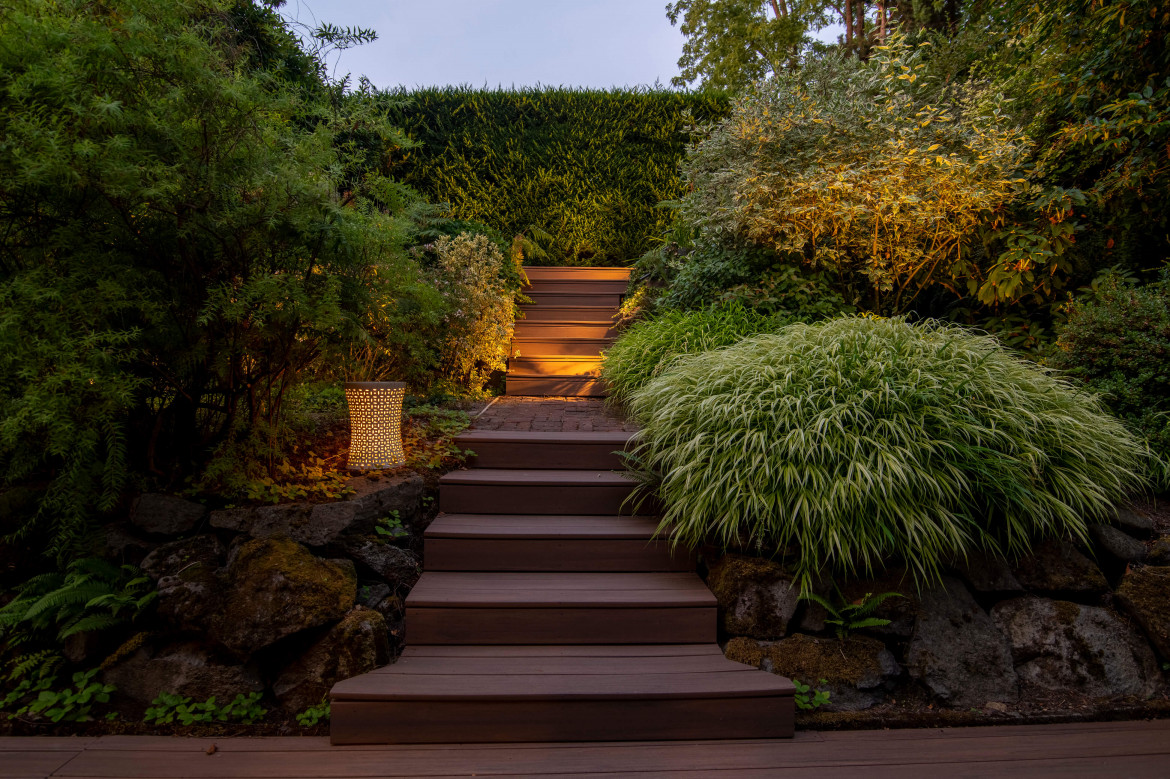
Avoid Common Performance Problems
A poorly designed system can cause:
-
Glare into windows
-
Dark pockets
-
Overshadowing
-
Washed-out landscaping
-
Inconsistency between fixtures
Every fixture should have a purpose—and a clear visual outcome.
Performance Comparison Table
| Feature | High-Performing System | Low-Performing System |
|---|---|---|
| Fixture Type | Integrated LED, USA-made | Drop-in bulbs, low-quality imports |
| Energy Usage | Very low (LED) | High (halogen/older LEDs) |
| Brightness Consistency | Even across property | Hot spots, dim areas |
| Lifespan | 30,000–50,000 hours | Frequent failures |
| Maintenance | Minimal | Bulb replacements, wire issues |
| Weather Durability | Strong (PNW-rated) | Corrosion, moisture problems |
| Lighting Effect | Natural, layered, warm | Harsh, cool, flat, or uneven |

Outdoor Lighting Energy Efficiency: What Homeowners Should Know
Energy efficiency is central to outdoor lighting performance. Here’s how to optimize both:
Choose True Integrated LEDs
They use less energy and maintain color, brightness, and performance longer than drop-in bulbs.
Use Smart Timers or WiFi Controls
Set schedules so lights turn on only when needed and run at appropriate brightness levels.
Avoid Overlighting
More light ≠ better performance. Proper lumens and placement matter more.
Maintain Transformers & Connections
Even the most efficient system can't perform well if connections corrode or voltage drops.
Signs Your Outdoor Lighting System Isn’t Performing Well
You may need a redesign or maintenance if you notice:
-
Lights flickering or dimming
-
Brightness inconsistencies
-
Fixtures full of water
-
Corrosion on metal fixtures
-
Lights that feel too bright or create glare
-
Sections of the yard that remain too dark
-
Repeated bulb replacements in older systems
NWOL provides assessments and annual maintenance to diagnose these issues early.

Performance Examples: Real Issues NWOL Solves Every Week
Performance Example 1: Correcting Voltage Drop Across Large Properties
A homeowner reached out after noticing several fixtures were noticeably dimmer than others, especially along the outer perimeter of their yard.
Upon evaluation, we found substantial voltage drop caused by long wire runs and an undersized transformer. By restructuring the wiring layout and balancing the load across multiple taps, illumination evened out instantly, and the LEDs operated at their intended output—dramatically improving visual impact and energy efficiency.
Performance Example 2: Upgrading From Halogen to Energy-Efficient LEDs
Many older systems still rely on halogen bulbs, which run extremely hot, consume far more energy, and burn out quickly.
After upgrading this homeowner’s system to integrated LED fixtures, energy usage dropped significantly, fixture performance stabilized, and annual maintenance needs nearly disappeared. The color temperature also shifted from harsh cool tones to a warm, welcoming ambiance consistent with modern outdoor design.
Performance Example 3: Eliminating Glare and Hot Spots Through Precision Beam Control
A property with beautiful architectural lines looked washed out at night because the original fixtures produced excessive glare.
We replaced generic spotlights with precision beam spread fixtures, allowing us to sculpt the light rather than blast it. The result was a softer, more intentional nighttime presentation—highlighting textures instead of overpowering them.
Performance Example 4: Improving Safety Through Strategic Step & Path Illumination
A family mentioned they felt unsafe on their back steps at night. The existing lights were too bright in some areas and too dark in others, creating disorienting shadows.
By installing low-glare step lights and rebalancing the path illumination, we created consistent visibility that felt natural and secure without overlighting the space.
Performance Example 5: Fixing Systems Impacted by Weather Exposure
The Pacific Northwest presents unique challenges—moisture, moss, and shifting soil can compromise wiring or cause fixtures to hold water.
In one case, several fixtures had moisture intrusion due to worn gaskets and improper fixture orientation. Replacing the fixtures with PNW-rated sealed LED housings restored brightness, eliminated flickering, and protected the electrical system for long-term performance.

How Much Does a High-Performing Lighting System Cost?
Several factors influence price, including:
-
Property size
-
Fixture count
-
Terrain complexity
-
Energy-efficient upgrades
-
Smart controller integration
-
Type of fixtures (integrated vs. drop-in)
Many clients choose phased installations to manage budgets while still achieving long-term performance goals.
Schedule a Performance Evaluation or New Design
If you want your outdoor lighting to look beautiful, operate efficiently, and last for decades, it starts with a thoughtful design and high-quality components.
Northwest Outdoor Lighting specializes in:
-
High-performance LED systems
-
Energy-efficient upgrades
-
Landscape lighting redesign
-
Troubleshooting & maintenance
-
Custom lighting fabrication
-
Precision installation for PNW conditions
→ Contact us today to schedule a design consultation or performance assessment.
Your home deserves a lighting system that performs beautifully—night after night, year after year.
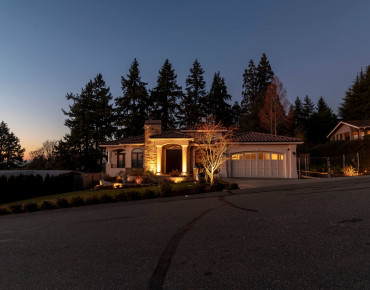
Clyde Hill Home
The sophisticated landscape lighting design skillfully accentuates the verdant trees and meticulously groomed foliage that Clyde Hill is known for, employing well-placed uplights that contribute to the depth and opulence of the Bellevue property.

Sammamish Pines Residence
This project was particularly special as it featured the introduction of our own lighting line. The Rook Bollards were used extensively throughout the property, providing robust, stylish lighting that complements the natural setting. The Dwelling, our uniquely designed address sign, adds a personalized touch while ensuring the residence stands out with elegance.

Mercer Island Waterfront Estate
This installation celebrates the Northwest environment — mature evergreens, waterfront views, native plantings, and contemporary exterior architecture — all brought to life after sunset through layered lighting, intentional focal points, and seamless transitions from house to shoreline.